
Rendering service
Acrylic rendering in Sydney
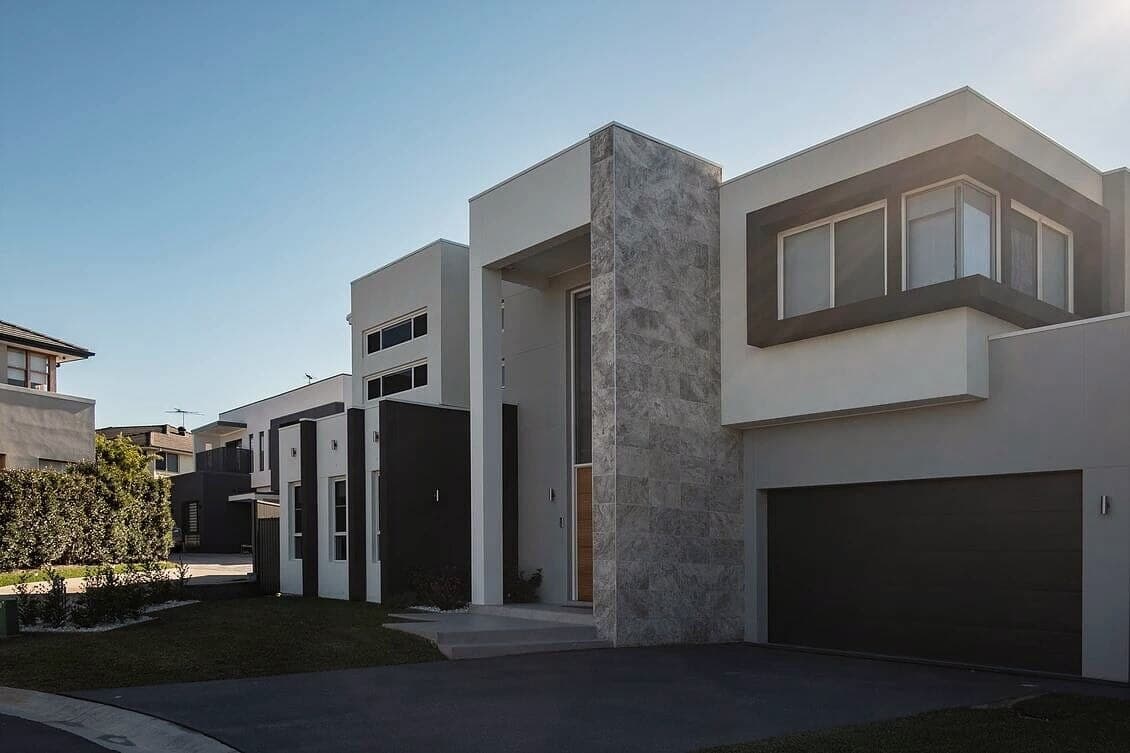
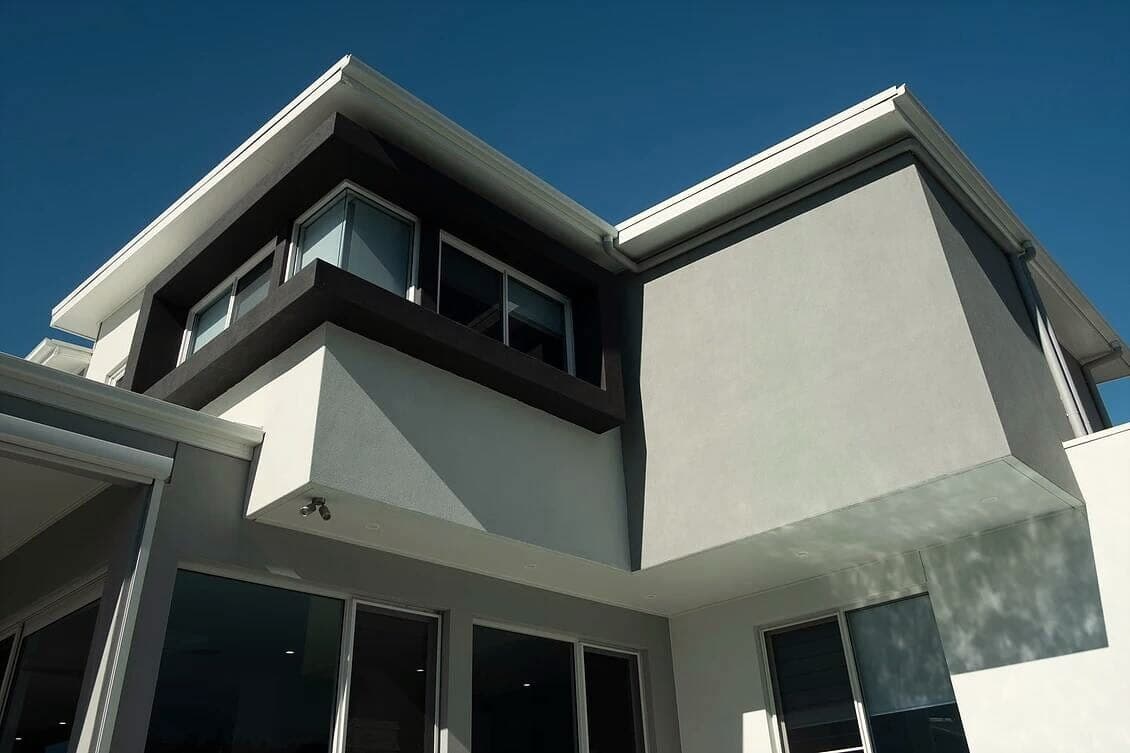
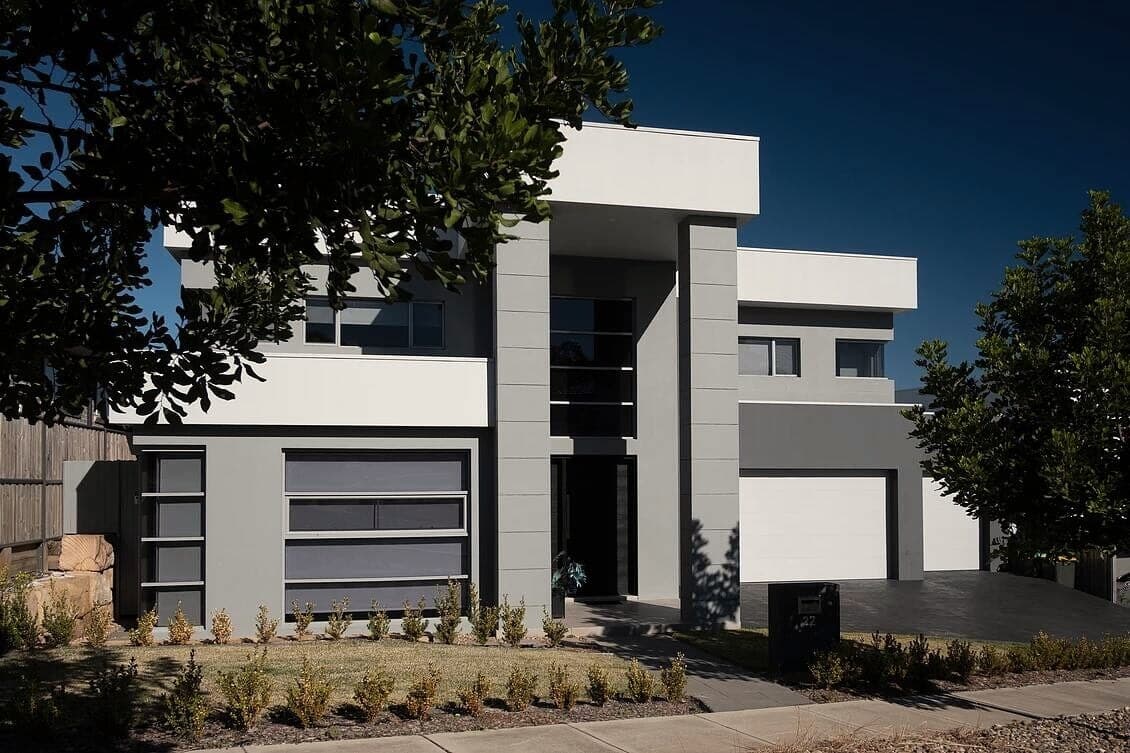
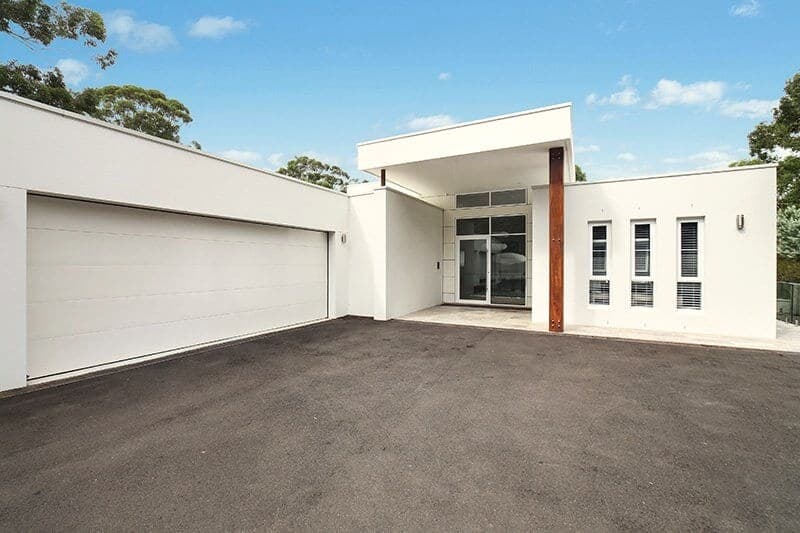
White render with a dark rendered box frameA Finishing Touch job in Sydney
- Licensed rendererNSW licence 298643C
- Since 2012Rendering Sydney homes
- Owner on every jobFrom the quote to the clean-up
- Free quotesConfirmed in writing after a visit
- Best for
- Hebel (AAC) panels and blocks, polystyrene, fibre cement board, and sound existing render or masonry that needs a more flexible finish
- Suits
- Hebel and other AAC, EPS foam, fibre cement sheet, brick, block, concrete and previously coated walls, once prepared
- Before paint
- Over a primed wall, Rockcote's acrylic base coat takes its next coat after about 24 hours and must be covered within 14 days. Over new sand and cement render, allow up to 28 days first.
- Rockcote Polymer Render Grey technical data sheet (September 2025)
- Upkeep
- Clean it down once a year, more often near the beach. Repair chips and cracks early, and keep some of the tinted finish from the job for touch-ups.
What is your wall made of?
Choose your wall, see the system
An acrylic system is built for the wall underneath it. Pick what your walls are made of to see how it is rendered.
How to tell
Light grey aerated concrete, full of tiny air bubbles.
The system, wall outwards
- 01Panel joints sealed and reinforced the way the system calls for
- 02Base coat that bonds and levels, often with mesh bedded in
- 03Textured finish coat, tinted to your colour
- 04Membrane topcoat, where the system includes one
CSR Hebel tells owners to use Hebel-approved coatings, naming Rockcote and Dulux AcraTex. We render Hebel walls a builder or installer has put up; we do not supply or install the panels.
How to tell
White foam panels.
The system, wall outwards
- 01Panels fixed to one maker’s complete system
- 02Polymer base coat with fibreglass mesh across the whole wall
- 03Texture finish, in your colour
- 04Protective topcoat
We install polystyrene cladding as well as render it, so one business is answerable for the whole wall.
How to tell
A thin, hard sheet with joints.
The system, wall outwards
- 01Board made to be rendered, with its joints treated
- 02Polymer base coat at least 2 mm thick once dry, levelled and meshed
- 03Textured finish coat
- 04Membrane topcoat, where included
We render the board; supplying and fixing it is a job for the builder or installer. We do not render timber or metal fences.
How to tell
An older rendered or painted wall.
The system, wall outwards
- 01Drummy patches (hollow when tapped) cut out and repaired
- 02Dirt and chalky paint washed off, the surface primed
- 03Polymer base coat over the old render
- 04Textured finish coat and topcoat
One way to bring an older rendered house back to a single, even finish without taking the walls back to brick.
How to tell
Solid brick, concrete block or concrete.
The system, wall outwards
- 01Wall cleaned and prepared
- 02Base coat that bonds and levels
- 03Textured finish, colour built in
- 04Usually a membrane topcoat
Acrylic usually costs more than plain cement render, so on brick it earns its place where the wall has mixed materials, a history of cracking, or where you want the colour built into the finish.
The short answer
What it is and when you need it
Acrylic render contains acrylic polymers that let it flex a little with the wall instead of cracking.
It goes on as a system: a base coat that bonds and levels, often with reinforcing mesh bedded into it, then a textured finish coat, and usually a membrane topcoat that sheds water. Each layer has a job, and the layers are designed to work together, so they should come from the same system.
You need it when the wall is not solid masonry, or when it moves. Lightweight walls such as Hebel panels, polystyrene and fibre cement sheet expand and contract more than brick, and ordinary sand and cement render is not made for them. Davco, for one, says its cement render is not suitable over fibre cement or foam.
To tell what you have, check the plans of a new build or extension, or look at an exposed edge. Hebel is light grey aerated concrete full of tiny air bubbles, polystyrene is white foam, and fibre cement is a thin, hard sheet with joints. If your walls are brick, acrylic is still an option for its flexibility; our guide to cement and acrylic render sets out the trade-offs.
01 / 06
Start to finish
How an acrylic rendering job runs
- 01
Free quote
Ask for a quote and, for a new build, send the wall type or plans; we come back with a rough estimate.
In the quoteOne person accountable
- 02
Check the substrate
On site, we confirm what the walls are, check joints and old coatings, and agree the system, texture and colour with you.
In the quoteJoints and substrate checked
- 03
Prepare and protect
The site is covered, joints are treated, damaged areas are repaired and the walls are primed where needed.
In the quoteProtection and set-up
- 04
Base coat and mesh
The base coat goes on with mesh bedded in, then is left to dry for the time the system sets.
WaitAbout 24 hours before the next coat over a primed wall, on Rockcote’s data sheet
In the quoteBase coat with mesh
- 05
Finish and clean up
The finish coat and any topcoat go on, the site is cleaned, and leftover tinted finish is kept aside for you.
In the quoteFinish coat · Topcoat and touch-up stock
Planning acrylic rendering?
Ask for a free quote: a rough figure first, then a visit to confirm the quote in writing.
Sydney conditions
What changes this job in Sydney
Houses near the coast
Salt and grime build up faster on walls close to the coast. Rockcote's maintenance guide asks for an annual clean-down for its render and texture systems and says surfaces close to the coast need cleaning more often, so beachside houses need a tighter cleaning routine.
Source: Rockcote Maintenance Guide: render and texture systems
Bush fire prone land
Parts of the Hills District and the Northern Beaches are mapped as bush fire prone. There, re-rendering without council approval is allowed only if the work is sealed against embers and uses materials as good as or better than what is there now.
Hot days and hot walls
Rockcote's polymer base coat must not be applied when the air or the wall is below 5°C or above 35°C. A dark wall in full summer sun can pass that limit, so hot-weather work is scheduled for the cooler part of the day.
Source: Rockcote Polymer Render Grey technical data sheet (September 2025)
Questions answered
What people ask about acrylic rendering
Does acrylic render crack less than cement render?
It copes with movement better, which is why makers describe it as crack resistant, but it is not crack-proof. NSW Fair Trading's building guide treats a crack in a finish over a lightweight wall as a defect if it is wider than 1 mm within the first two years and visible from a normal viewing position. That tells you how little cracking these systems are expected to show.
Cracks over lightweight walls usually start at sheet or panel joints, around windows and at corners. Mesh in the base coat, movement joints where the system calls for them and properly sealed joints do most of the work.
Can acrylic render go on a brick house?
Yes. Brick, block and concrete all take an acrylic system. It usually costs more than plain cement render, so it earns its place where the wall has mixed materials, a history of cracking, or where you want the colour built into the finish.
Can acrylic render go over old render or painted walls?
Often, yes. Polymer base coats are made to go over existing cement render and previously coated surfaces once loose and drummy patches (render that sounds hollow when you tap it) are cut out and repaired, dirt and chalky paint are washed off, and the surface is primed. It is one way to bring an older rendered house back to a single, even finish without taking the walls back to brick.
How long does acrylic render last?
There is no honest single figure. Makers' warranties depend on their system being applied to specification and maintained, including yearly cleaning. Keeping water off the wall and repairing cracks early does more for the life of the render than the brand on the pail.
What finishes can acrylic render have?
Most systems offer a fine sand finish, a sponge-float finish and coarser trowelled textures. The finish coat and the topcoat are tinted to the colour you choose so the wall stays even when it is chipped or scuffed.
Not every colour suits an outside wall, and some systems limit dark colours, so we check the system's colour rules before you settle on one. Ask for a sample patch on your own wall: a colour chip in the hand looks different from a whole elevation.
4 more questions
Can you render Hebel?
Yes, with an acrylic system. CSR Hebel supports acrylic coating systems on its panels and blocks because they are flexible and resist cracking, and it tells owners to use Hebel-approved coatings, naming Rockcote and Dulux AcraTex. Hebel's product warranty does not cover cracking in the coating over its panels, so the coating has to suit the panel.
On a Hebel wall the panel joints are the weak point. Joints are sealed and reinforced the way the system calls for before the base coat goes on, and any movement joints the builder has designed are carried through the render, not covered over.
We render Hebel walls that a builder or installer has put up. We do not supply or install the panels themselves.
Can you render a fibre cement fence?
Yes, if the fence is built from board made to be rendered. Over fibre cement sheet, Rockcote's polymer base coat has to be at least 2 mm thick once dry, so the board is levelled and meshed properly rather than skimmed. We do not render timber or metal fences, and we do not supply or install the boards.
Is acrylic render the same as polymer render?
Near enough, for a homeowner. Polymer render usually means a cement-based render with polymers added for flexibility and grip; other acrylic products come premixed in a pail. Both are used as part of a system with a finish coat over them.
Do you install Hebel, blueboard or other sheets?
No. We render walls that a builder or installer has put up; we do not supply or install Hebel panels, blueboard or other fibre cement sheets. We do install and render polystyrene cladding.
Pricing
What changes the price
Our typical prices · Acrylic render
$46–$80
per m², including GST, typical $63
- What the walls are made of, and how many sheet or panel joints need treating
- The state of any existing render or paint, and how much repair it needs first
- Wall height and access, including scaffolding for upper storeys
- How much mesh the system calls for, and how many coats
- The texture and colour, and whether a membrane topcoat is included
- The number of windows, corners and edges to finish
Reviews
What our clients say
Courteous, tidy, protected the area from debris, cleaned up after and a good job
“Very professional and so helpful! Good communication and a fair price! Arrived nice and early! The rendering was done very well and looks great. The boys were very careful and made no mess! I have no hesitation in recommending Ali and his workers! I am definitely a very happy customer! Job: rear of house rendering plus a variety of rendering repairs in various places! Thank you so much!”
★★★★★Gregory Williams · “We loved dealing with Ali and his team. They are all lovely and really good renderers. We wanted something a little different (a thickly applied splattered style) in some parts of the house,”bagged” in other areas and smooth render in other parts…all was no problem, and expertly done. All fairly priced too. We would definitely recommend Finishing Touch Rendering. Stephanie and David.”
★★★★★Stephanie Hammond ·
Reviews from Google, shown as written.
Read every review on GoogleKeep reading
Guides, other finishes and areas
Guides
Other finishes
Free quote
Get a free acrylic rendering quote
Quotes are free. Quotes are free. Tell us what the walls are made of if you know, and we give you a rough estimate. We then visit to check the substrate and measure before the final quote.