
Rendering service
Render repairs in Sydney

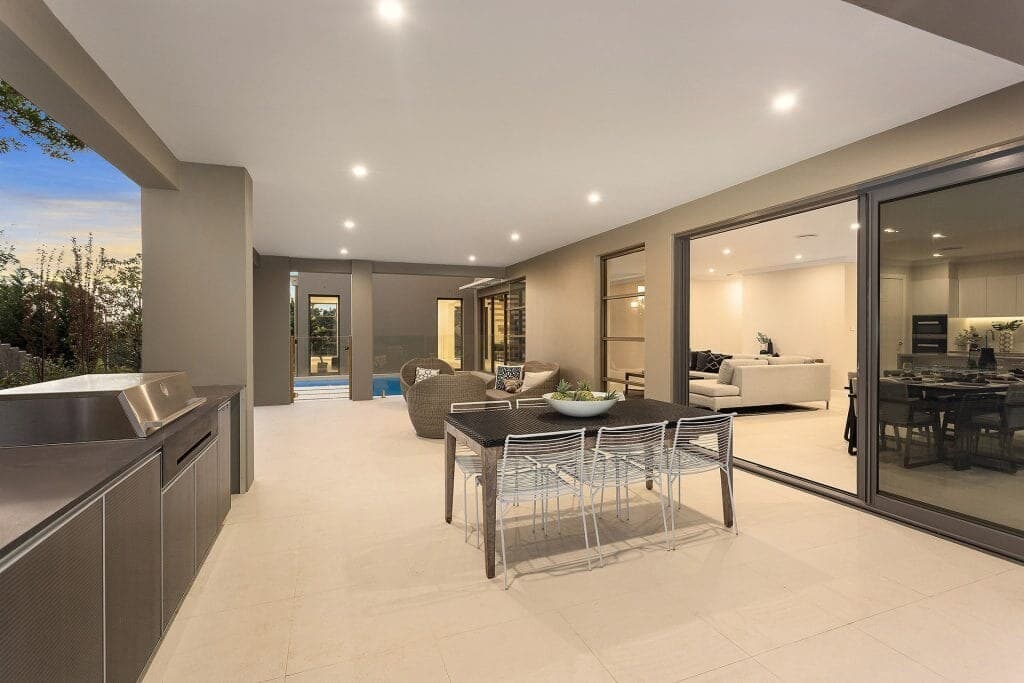
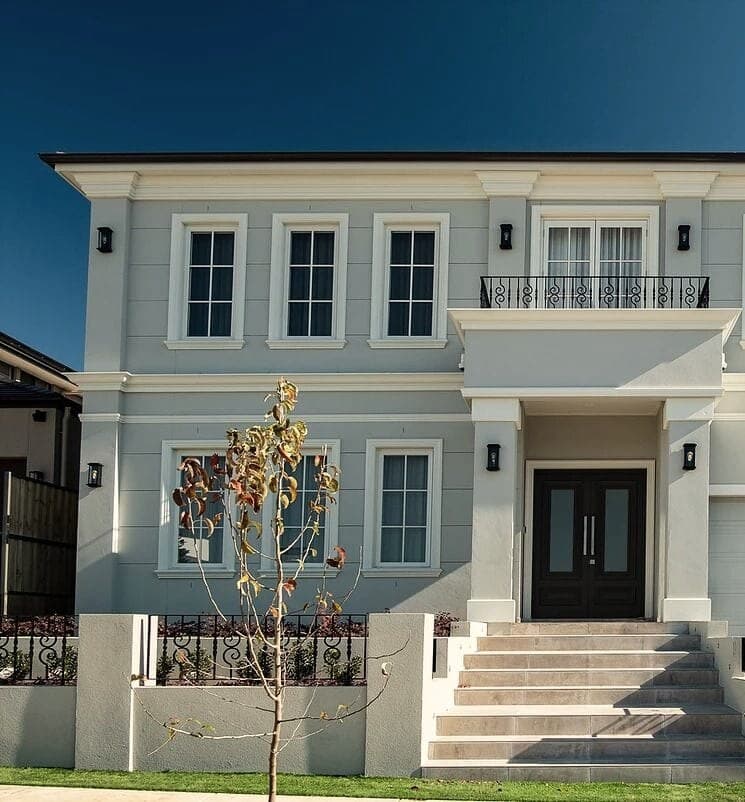
Side elevation in taupe renderA Finishing Touch job in Sydney
- Licensed rendererNSW licence 298643C
- Since 2012Rendering Sydney homes
- Owner on every jobFrom the quote to the clean-up
- Free quotesConfirmed in writing after a visit
- Best for
- Cracked render, hollow-sounding patches, white salt on walls, and damage around windows, sills and the base of walls
- Suits
- Cement render, acrylic render, texture-coated walls and rendered polystyrene
- Before paint
- Patches of new cement render have to cure before they are coated. Mortatec's pre-blended render needs at least a day for every 2 mm of thickness, and the coating's own data sheet may ask for longer.
- Mortatec Classic Render technical data sheet
- Upkeep
- After a repair, keep an eye on it through a wet season. Photograph any crack with a ruler beside it, so you can tell later whether it has grown.
Measure the crack
When is a crack in render a structural problem?
Width is the first guide. NSW Fair Trading's Guide to Standards and Tolerances grades wall cracks using the damage categories from the Australian Standard for residential slabs and footings, AS 2870. Hairline and fine cracks are cosmetic. Cracks up to about 5 mm are noticeable but easily filled, and the guide says they should be watched for 12 months. From 5 mm, or a group of cracks 3 mm or wider, the damage is moderate and needs investigation before it is repaired.
This is general guidance, not a diagnosis. If you see any of the signs below, have a structural engineer look before you spend money on render.
- A crack wider than about 5 mm, or several cracks of 3 mm or more together
- A crack that keeps getting wider; mark its ends and date it
- Diagonal cracks running from the corners of windows and doors
- Doors and windows that have started to stick
- A wall that leans or bulges
Cosmetic
For fine cracks in sound render, filling and recoating is often enough.
Noticeable, easily filled
Watch it for 12 months. Mark its ends and date it, and photograph it with a ruler beside it, so you can tell whether it grows.
Investigate first
From about 5 mm, or a group of cracks 3 mm or wider, the damage is moderate and needs investigation before it is repaired. Have a structural engineer look before you spend money on render.
Illustration, enlarged: each crack is drawn at an example width against the millimetre rule under it.Source: NSW Guide to Standards and Tolerances 2017
The short answer
What it is and when you need it
Most render problems fall into three groups: cracks, drummy render and efflorescence.
Drummy render is render that has lost its grip on the wall: tap it with a coin or the handle of a screwdriver and it sounds hollow instead of solid. Efflorescence is the white, powdery salt left on the surface when water moves through a wall and dries out.
Each one has a cause, and a repair only lasts if the cause is dealt with too. Cracks come from the building moving, render laid on too thick or dried too fast, or joints between different materials. Drummy render usually means the wall was not clean or sound when the render went on, or the render dried before it could cure. Efflorescence means water is getting in: a leaking gutter, a garden bed against the wall, or damp rising from below.
We inspect first, tell you which of these you are looking at, and quote the repair. If what we find points to movement in the building rather than a render fault, we will say so and suggest a structural engineer before any patching.






01 / 08
Questions answered
What people ask about render repairs
How do you fix drummy render?
We tap the wall to map the hollow area, then cut the render back to a sound edge all round. Patching over drummy render without cutting it out only hides it until it falls away. The exposed wall is cleaned, dampened or primed to suit it, and new render is built back in layers to the level of the surrounding wall.
If the render came away because of salt or damp behind it, that cause is dealt with first. The Heritage Council of NSW's salt damp guide shows salt crystallising in the gap between brick and hard render after the render has lifted, and new render over the same wall would fail the same way.
Can you just fill the cracks?
For fine cracks in sound render, filling and recoating is often enough. Wider cracks, cracks over hollow render and cracks that keep growing need more: cutting out, mesh, or an engineer's look at the cause.
Will the repair show?
Texture can usually be matched closely. Colour is harder on an aged wall, so the best result comes from recoating to a corner or a natural break rather than dabbing paint on the patch.
What causes white salt on render, and will it come back?
On new walls it is often new building bloom: salts carried out as construction moisture dries, which usually fades once the wall has dried out. The Heritage Council's guide describes it as a relatively harmless white powder on new brickwork. Brush it off dry rather than hosing it back into the wall.
If it keeps coming back on an older wall, water is getting in. Look for leaking gutters and downpipes, garden beds or paving built up against the wall, and a bridged damp-proof course. Once the water source is fixed, the wall is cleaned and primed, and some render makers call for an anti-efflorescent primer over cement render before their coatings go on.
Do I need an engineer before you start?
Only if the signs point to movement: wide or growing cracks, diagonal cracks from openings, sticking doors or a leaning wall. If we see those, we will tell you before quoting the repair.
2 more questions
Can you match my existing render colour and texture?
As closely as the wall allows. NSW Fair Trading's guide expects repairs to match the colour and texture of the surrounding wall as closely as practicable, and accepts that an aged finish sometimes cannot be matched exactly. We match the texture on a test area first.
Colour is harder than texture, because a new patch never weathers the same as a wall that has been in the sun for years. The guide's answer, and ours, is to end a repair at a joint, downpipe, window or corner, or to recoat the whole wall from corner to corner so the colour is even.
Is it worth repairing render before I sell?
Often, because a buyer's building inspector will note cracks, hollow render and damp. Fix the cause and repair the wall rather than painting over the problem; a fresh coat over an active crack usually shows again. Our guide on whether rendering adds value goes into this.
Start to finish
How a render repair runs
- 01
Free quote
Ask for a quote; close-ups of each crack or patch with a ruler beside it, plus a wide shot of the wall, give the first read.
- 02
Inspection
We tap and check the walls, find the cause, and tell you if an engineer or another trade is needed first.
In the quoteInspection and tap test · Cause first
- 03
Cut out and repair
Failed render is cut back to sound, cracks are opened and filled, and new render is built up in layers.
In the quoteCut back to sound render · Cracks repaired properly
- 04
Match and finish
The texture is matched, the patch cures, and the wall is coated to a natural break or corner to corner.
In the quoteTexture matched · Even colour
- 05
Clean up
Debris is removed and the area is left clean.
Planning render repairs?
Ask for a free quote: a rough figure first, then a visit to confirm the quote in writing.
Sydney conditions
What changes this job in Sydney
Heritage houses
In Paddington's heritage conservation area, Woollahra's controls say render must not be removed unless the surface is re-rendered straight away, and where original render has been removed, new render must be applied and painted. Like-for-like repair is the expectation in heritage areas, so check before stripping anything back.
Source: Woollahra DCP 2015, Chapter C1 Paddington Heritage Conservation Area, s1.5.8
Trees, gardens and watering
NSW Fair Trading's guide lists landscaping, the type and closeness of trees, and heavy, localised garden watering among the causes of abnormal soil moisture that move footings and crack walls. In established gardens, check what is growing and watering near a cracked wall before repairing it.
Source: NSW Guide to Standards and Tolerances 2017, Explanatory Note 2
Garden beds against walls
Rockcote's maintenance guide asks owners to keep garden beds separated from rendered walls, keep plants away from them, and keep weep holes clear of mulch. Damp soil against render feeds the salt staining and drummy patches that show up at the base of a wall.
Source: Rockcote Maintenance Guide: render and texture systems
Pricing
What changes the price
Guide prices · Crack repair or patching
$57–$115
per m², including GST, typical $75
- How many areas need repair, and how big they turn out to be once tapped
- Whether another trade or an engineer has to deal with the cause first
- Height and access, including any scaffolding
- Matching the existing texture, and whether the whole wall is recoated for even colour
- The type of render or coating on the wall now
- Heritage controls, if the house is in a conservation area
Reviews
What our clients say
Courteous, tidy, protected the area from debris, cleaned up after and a good job
“Very professional and so helpful! Good communication and a fair price! Arrived nice and early! The rendering was done very well and looks great. The boys were very careful and made no mess! I have no hesitation in recommending Ali and his workers! I am definitely a very happy customer! Job: rear of house rendering plus a variety of rendering repairs in various places! Thank you so much!”
★★★★★Gregory Williams · “We loved dealing with Ali and his team. They are all lovely and really good renderers. We wanted something a little different (a thickly applied splattered style) in some parts of the house,”bagged” in other areas and smooth render in other parts…all was no problem, and expertly done. All fairly priced too. We would definitely recommend Finishing Touch Rendering. Stephanie and David.”
★★★★★Stephanie Hammond ·
Reviews from Google, shown as written.
Read every review on GoogleKeep reading
Guides, other finishes and areas
Guides
Other finishes
Free quote
Get a free render repair quote
Quotes are free. Quotes are free. We give you a rough estimate, then inspect and tap the walls before the final quote. Close-ups of the damage, with a ruler beside any crack, help.