
In this guide · 6
The short answer
Rendering a brick house replaces the brick pattern with one even surface in the colour and texture you choose, and it hides patched mortar and mismatched bricks from old extensions. What it can't do is fix the wall underneath, so cracks, damp and heritage rules need checking before the first coat goes on.
Most brick houses are rendered in sand and cement, covered on our cement rendering page; where there are lightweight or mixed walls, an acrylic render system is the better fit.
What changes when a brick house is rendered?
The look. Face brick reads as a pattern of small units and mortar lines. Rendered, the same wall reads as one plane, so the shape of the house, its windows and its edges stand out more. Colour becomes a choice instead of whatever the bricks happen to be.
The mismatches disappear. Many older brick houses have an extension in a slightly different brick, a filled-in window or a patch of repointing in the wrong colour. Render covers all of it.
The upkeep changes. Unpainted face brick needs little regular upkeep. A rendered house has a coating that needs washing once a year and recoating from time to time, and cracks need sealing when they appear. That is the trade-off for the new look, and it is worth knowing before you start.
What doesn't change. The wall's structure, its insulation and any damp in it stay as they were. Render is a finish, not a repair.
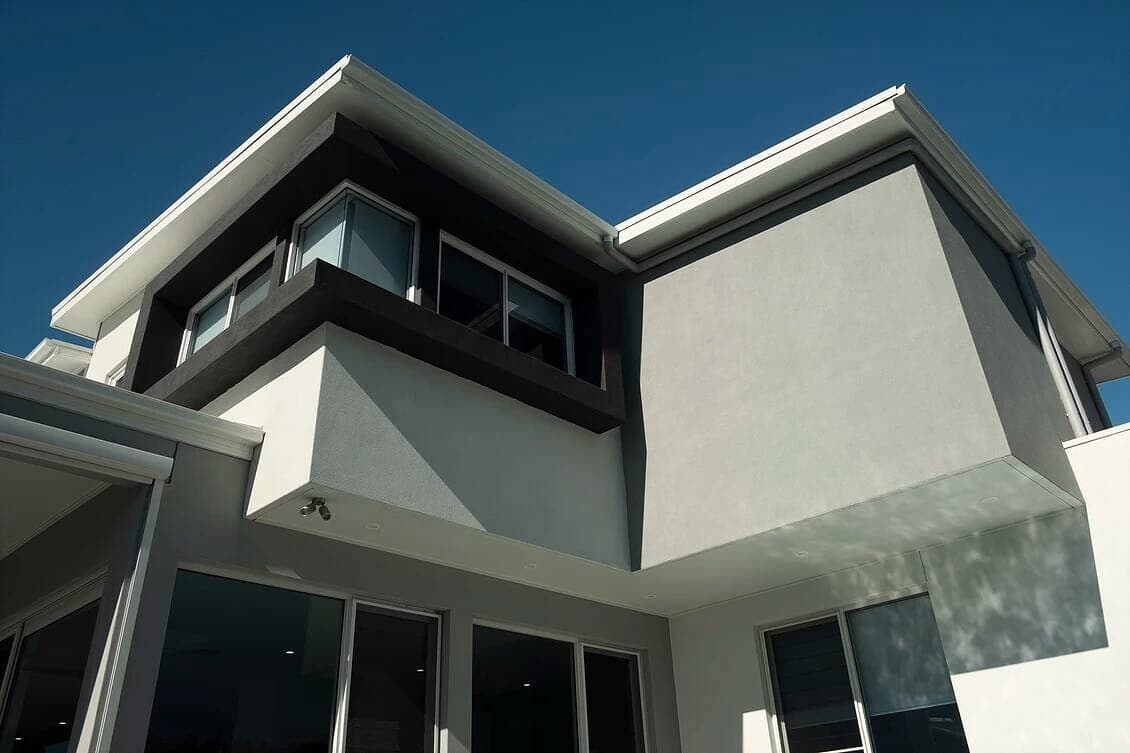
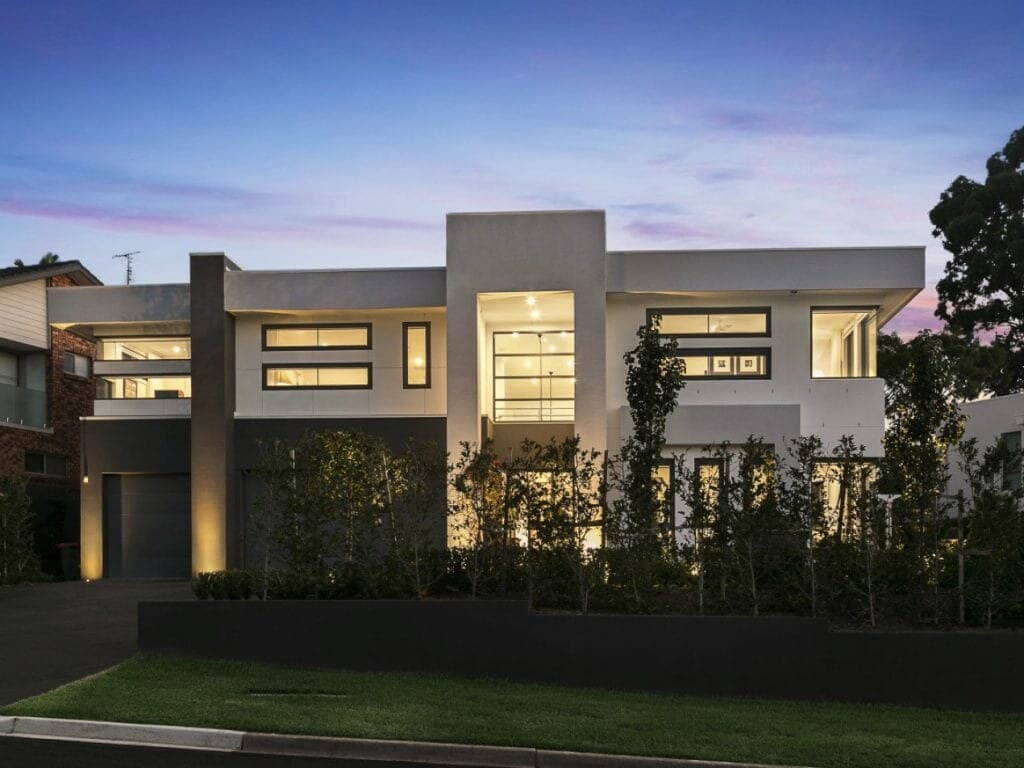
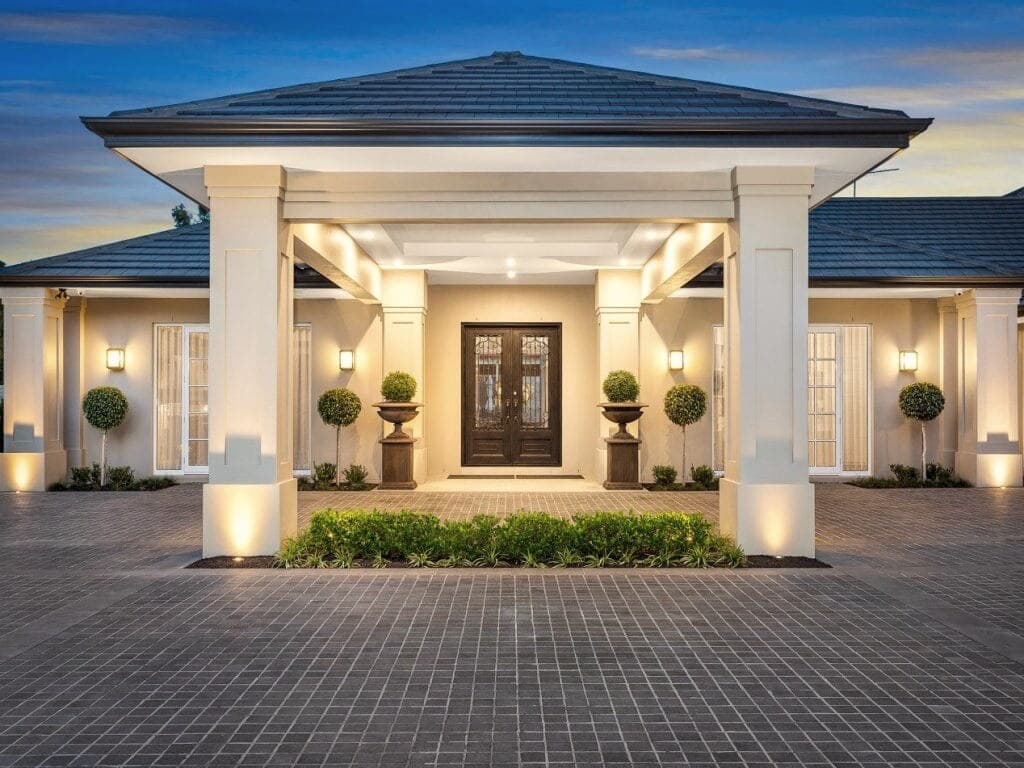
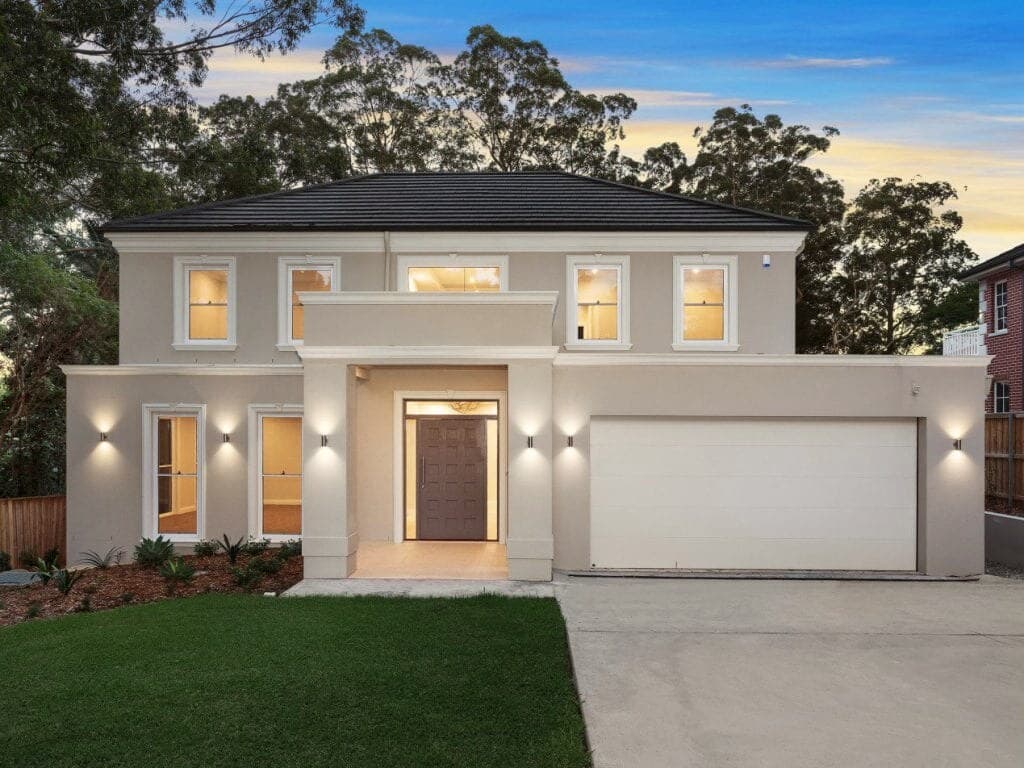
You can see finished houses in our work.
What should you check before rendering a brick house?
Cracks
Look along each wall, especially from the corners of windows and doors. Fine cracks along mortar joints are common and are filled as part of the preparation. Wider cracks are a different matter. NSW Fair Trading's Guide to Standards and Tolerances, using the categories from AS 2870, treats cracks of 5 mm or more, or a group of cracks 3 mm or wider, as moderate damage needing investigation. Render over a wall that is still moving cracks again in the same place, so if your cracks are that wide, or are growing, have a structural engineer look first.
Damp and salt
Check the bottom metre of the walls for damp patches, white salt and crumbling brick or mortar. Rendering over damp traps it. The Heritage Council of NSW's salt attack and rising damp guide calls a band of hard cement render over the base of a damp wall a common but poor treatment, because the moisture rises behind it and comes out higher up. Find the cause first: a bridged damp-proof course, garden beds or paving built up against the wall, or a leaking gutter or downpipe.
Old paint and coatings
Painted brick can be rendered only if the paint is holding firmly. If it is flaking or chalky, it has to come off first, and that adds to the job.
Heritage controls
See the next question. It is the check that can stop a rendering job before it starts.
Do you need council approval to render a brick house?
Usually not, unless the house is a heritage item or sits in a heritage conservation area.
Under the Codes SEPP (clause 2.53), painting, plastering and cement rendering are exempt development, which means no approval is needed, but only if the house is not a heritage item or a draft heritage item and is not in a heritage conservation area or a draft one. Clause 2.54 adds conditions that apply everywhere, such as not reducing the wall's fire resistance and, on bush fire prone land, sealing the work against embers.
In a heritage conservation area, the standard heritage clause in Sydney councils' local environmental plans (clause 5.10; see Woollahra LEP 2014, for example) requires consent for changes to a building's "finish or appearance". A council can instead confirm in writing that work is minor, but councils use that for like-for-like repainting, not for rendering face brick that has never been rendered. Some council controls are explicit:
- Burwood: the Burwood DCP says cement render of existing face brick walls on heritage properties is not permitted.
- Hunters Hill: the council's heritage minor works process excludes cement rendering unpainted brick or sandstone, so that needs a development application.
- Gladesville (City of Ryde): in the Tyrell Street character area, the Ryde DCP says originally unpainted face brick should not be painted, bagged or rendered.
Check your address on the NSW Planning Portal, or ask your council, before you get quotes.
What happens on the day the render goes on?
The site is protected first: windows, paths, driveways and garden beds are covered. Loose mortar, dirt and flaking paint come off, cracks and gaps are filled, and the brick is dampened so it doesn't draw the water out of the render too quickly. Mesh goes in wherever brick meets another material.
The render goes on in two passes: a tight first coat, then a second coat straightened with a long straight edge and finished with a float. It stops above the damp-proof course, and the weep holes are left open. In hot weather the work follows the shade, because render makers such as Davco say not to apply cement render above 30°C, and the render is kept damp while it starts to cure.
Then it waits. New cement render needs about 28 days before it is coated, according to Dulux's AcraTex data sheets. Plan the painting, and any sale photos, around that.
What drives the cost of rendering a brick house?
The wall area, the height and scaffolding, how much repair the brick needs, the number of windows, sills and corners, access around the house, and the coating you choose. Our house rendering cost guide sets out Sydney market figures and how we quote; we price each house from photos and a visit, not from a rate card.
Cement or acrylic for a brick house?
Both work on brick. Cement render is the usual choice for solid brick and costs less; an acrylic system makes sense where the house has mixed materials, such as a lightweight upper storey, or a history of cracking. Our comparison of cement and acrylic render goes through the differences.
To start, ask for a free quote on 0421 541 336 (call or WhatsApp), or read more about rendering a brick house in sand and cement.
Sources
- 01Guide to Standards and Tolerancesnsw.gov.au
- 02salt attack and rising damp guideenvironment.nsw.gov.au
- 03Codes SEPPlegislation.nsw.gov.au
- 04Woollahra LEP 2014legislation.nsw.gov.au
- 05Burwood DCPburwood.nsw.gov.au
- 06heritage minor works processhuntershill.nsw.gov.au
- 07Ryde DCPryde.nsw.gov.au
- 08Davcoaus.sika.com
- 09Dulux's AcraTex data sheetsinspirationspaint.com.au